Restaurant Style Filet Mignon
Highlighted under: Homestyle Comfort
I absolutely love preparing filet mignon at home, and this restaurant-style version truly captures the essence of fine dining. With just a few simple ingredients and techniques, you can achieve a succulent, mouthwatering steak that rivals what you'd find in upscale restaurants. The combination of high-quality beef and a rich sauce elevates this dish into a gourmet experience, perfect for special occasions or a cozy night in. Let me share with you the secrets to mastering this delicious filet mignon right in your own kitchen.
When I first attempted making filet mignon, I was intimidated by the thought of cooking such a premium cut of beef. However, I soon learned that the key to success lies in proper seasoning and cooking it to the right temperature. I’ve found that allowing the steak to rest before and after cooking really enhances its juiciness, resulting in a flavorful bite every time. It's a game changer!
Another important tip is to use a high smoke point oil and a pre-heated skillet. This ensures a beautiful sear that locks in the steak's natural flavors. I enjoy serving it with a luscious red wine reduction sauce that’s simply made by deglazing the pan after cooking. Trust me, this combination will elevate your dining experience at home!
Why You Will Love This Recipe
- Tender and juicy steak cooked to perfection
- Rich flavor enhanced by a delectable red wine reduction
- Impressive enough for special occasions or date nights
Understanding Filet Mignon
Filet mignon is celebrated for its unparalleled tenderness, which comes from the fact that this cut is taken from the tenderloin area of the cow. This means it has very little connective tissue and fat, giving it a buttery texture when cooked properly. To ensure you achieve that melt-in-your-mouth quality, choose steaks that have a bright red color and a well-defined layer of marbling. A thicker steak, about 1.5 inches, will also help retain moisture and flavor during cooking.
When cooking filet mignon, it’s crucial to allow the steaks to come to room temperature before searing. This helps them cook evenly, preventing the exterior from overcooking while the interior remains cold. I recommend removing the steaks from the fridge about 30 minutes before cooking. This small step can significantly enhance your final outcome, ensuring a consistently succulent steak.
Perfecting the Sear
Searing is an essential technique that creates a flavorful crust on the filet mignon, locking in juices and enhancing flavor. Use a heavy skillet, such as cast iron or stainless steel, as these retain heat better and provide a more even sear than non-stick pans. Preheat the oil on high heat until it shimmers but is not smoking—this indicates it’s hot enough for searing. You should hear a sizzle when the steaks hit the pan, which means they are searing correctly.
While cooking, try not to move the steaks around in the skillet too much. Allow them to form a nice brown crust, which will take about 3-4 minutes per side for medium-rare. If you prefer your steak cooked more, adjust your cooking time accordingly, keeping a close eye to avoid overcooking. Use a meat thermometer if needed; aim for an internal temperature of 130-135°F for medium-rare.
Elevating with Red Wine Reduction
The red wine reduction sauce is the crowning glory of this dish, adding depth and sophistication. When making the sauce, it’s important to use a wine you enjoy drinking; this will ensure the flavors are rich and enjoyable. A full-bodied wine like Cabernet Sauvignon is ideal, as its bold flavors stand up well to the beef stock used in the reduction. If you don’t have red wine, you can substitute with a mixture of balsamic vinegar and beef stock, but the taste will differ.
After sautéing the shallots, make sure to scrape the bottom of the pan with a wooden spoon to release those flavorful, browned bits. This technique, known as deglazing, adds complexity to the sauce. Allow the sauce to simmer until it reduces by half, which generally takes about 10-15 minutes. You’ll know it’s ready when it coats the back of a spoon. Strain the sauce if you prefer a silky finish, or leave it chunky for added texture.
Ingredients
Gather the following ingredients for your perfect filet mignon:
For the Steak
- 2 filet mignon steaks (about 6-8 oz each)
- Salt and freshly ground black pepper to taste
- 2 tablespoons olive oil
- 2 tablespoons butter
- 2 sprigs fresh thyme
For the Red Wine Reduction Sauce
- 1 cup red wine (preferably a full-bodied wine like Cabernet Sauvignon)
- 1 shallot, finely chopped
- 1 cup beef stock
- Salt and pepper to taste
These ingredients will provide you with an unforgettable dining experience!
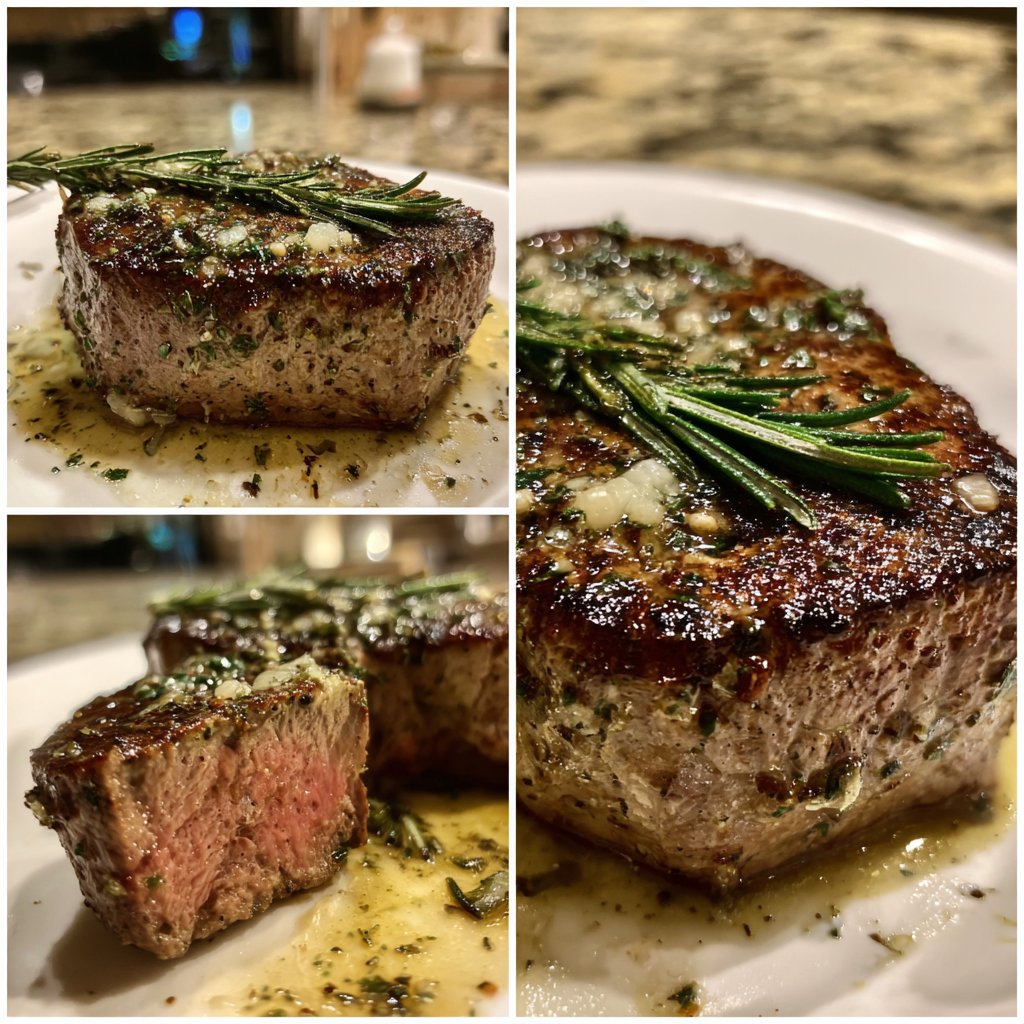
Instructions
Follow these steps to cook your filet mignon to perfection:
Prepare the Steaks
Remove the filet mignon steaks from the refrigerator and let them sit at room temperature for about 30 minutes. Season generously with salt and pepper on both sides.
Sear the Steaks
Heat olive oil in a heavy skillet over high heat. Once it's hot, add the steaks and sear for about 3-4 minutes on each side for medium-rare, adjusting the time according to your preferred doneness.
Add Butter and Thyme
During the last minute of cooking, add butter and thyme to the skillet. Use a spoon to baste the melted butter over the steaks to enhance their flavor.
Rest the Steaks
Remove the steaks from the skillet and let them rest on a plate, tented with foil, for 5-10 minutes.
Make the Red Wine Reduction Sauce
In the same skillet, reduce the heat to medium and add chopped shallots. Sauté until softened, then pour in the red wine and beef stock. Let it simmer until reduced by half. Season with salt and pepper to taste.
Serve
Slice the steak against the grain and serve with the red wine reduction drizzled over the top.
Enjoy your restaurant-style filet mignon with your favorite side dishes!
Pro Tips
- For an even more flavorful steak, try marinating the filet mignon in your favorite marinade for a few hours before cooking. Alternatively, using a meat thermometer can help you remove the steak from heat at the precise temperature for perfect doneness.
Storage Tips
If you have leftover filet mignon, store it in an airtight container in the refrigerator for up to three days. To preserve its tenderness and flavor, try to avoid reheating in the microwave as it can dry out the meat. Instead, use a low oven set to 250°F, reheating until just warmed through, around 10-15 minutes, which helps maintain its juiciness.
For the red wine reduction sauce, it can also be stored in the fridge for up to a week. If you find the sauce thickens in the fridge, you can easily thin it out by gently reheating it on the stove and adding a splash of beef stock or water.
Serving Suggestions
To make your filet mignon dinner truly special, consider pairing it with classic side dishes. Creamy mashed potatoes or garlic roasted asparagus complement the richness of the steak beautifully. Additionally, a simple arugula salad with a light vinaigrette can provide a refreshing contrast to the dish.
Don’t forget to serve your red wine reduction sauce on the side, or elegantly drizzled over the steak. If you’re feeling adventurous, top the steak with a pat of herb butter right before serving to add an additional layer of flavor that melts over the warm meat.
Common Issues and Solutions
One common issue when cooking filet mignon is drying it out. Always ensure your skillet is hot enough before adding the steaks, and avoid cooking them for too long. If you do overcook your steak, consider slicing it thinly and serving it with the red wine reduction sauce to help moisten each bite.
Another potential problem is not achieving the desired level of seasoning. Since filet mignon is mild in flavor, don’t shy away from seasoning generously with salt and pepper before searing. You can always adjust the seasoning in your sauce, but the beef itself should be well-seasoned to enhance its natural flavors.
Questions About Recipes
→ What is the best way to determine the doneness of the filet mignon?
Using a meat thermometer is the most accurate method. For medium-rare, aim for an internal temperature of 130-135°F.
→ Can I substitute the red wine in the sauce?
Yes, you can use beef stock with a splash of balsamic vinegar for a different flavor profile.
→ What side dishes pair well with filet mignon?
Mashed potatoes, asparagus, or a fresh garden salad are great options to accompany this dish.
→ How do I store leftovers?
Wrap the cooked filet mignon in foil or plastic wrap and refrigerate for up to 3 days. Reheat gently in a skillet or microwave.
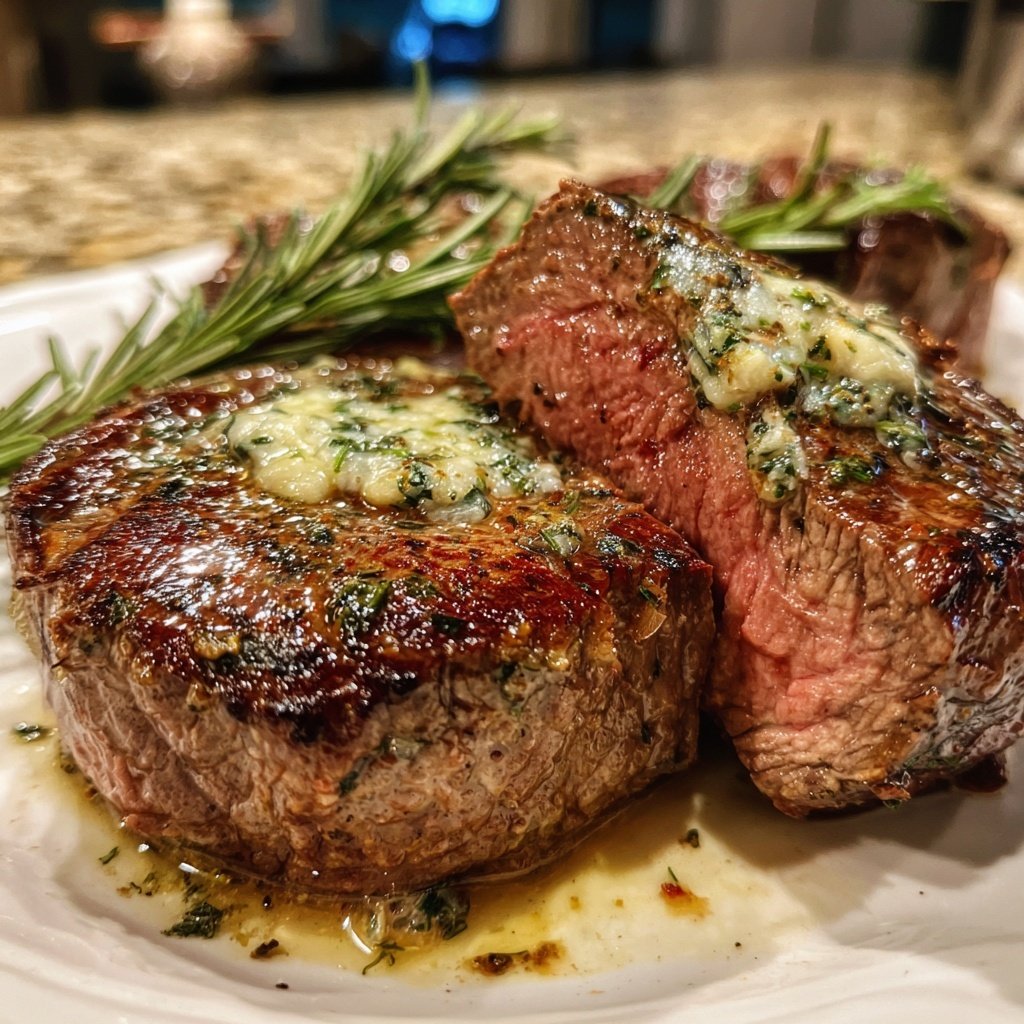
Restaurant Style Filet Mignon
Created by: Imogen Price
Recipe Type: Homestyle Comfort
Skill Level: Intermediate
Final Quantity: 2 servings
What You'll Need
For the Steak
- 2 filet mignon steaks (about 6-8 oz each)
- Salt and freshly ground black pepper to taste
- 2 tablespoons olive oil
- 2 tablespoons butter
- 2 sprigs fresh thyme
For the Red Wine Reduction Sauce
- 1 cup red wine (preferably a full-bodied wine like Cabernet Sauvignon)
- 1 shallot, finely chopped
- 1 cup beef stock
- Salt and pepper to taste
How-To Steps
Remove the filet mignon steaks from the refrigerator and let them sit at room temperature for about 30 minutes. Season generously with salt and pepper on both sides.
Heat olive oil in a heavy skillet over high heat. Once it's hot, add the steaks and sear for about 3-4 minutes on each side for medium-rare, adjusting the time according to your preferred doneness.
During the last minute of cooking, add butter and thyme to the skillet. Use a spoon to baste the melted butter over the steaks to enhance their flavor.
Remove the steaks from the skillet and let them rest on a plate, tented with foil, for 5-10 minutes.
In the same skillet, reduce the heat to medium and add chopped shallots. Sauté until softened, then pour in the red wine and beef stock. Let it simmer until reduced by half. Season with salt and pepper to taste.
Slice the steak against the grain and serve with the red wine reduction drizzled over the top.
Extra Tips
- For an even more flavorful steak, try marinating the filet mignon in your favorite marinade for a few hours before cooking. Alternatively, using a meat thermometer can help you remove the steak from heat at the precise temperature for perfect doneness.
Nutritional Breakdown (Per Serving)
- Calories: 600 kcal
- Total Fat: 45g
- Saturated Fat: 18g
- Cholesterol: 130mg
- Sodium: 200mg
- Total Carbohydrates: 10g
- Dietary Fiber: 0g
- Sugars: 1g
- Protein: 50g